
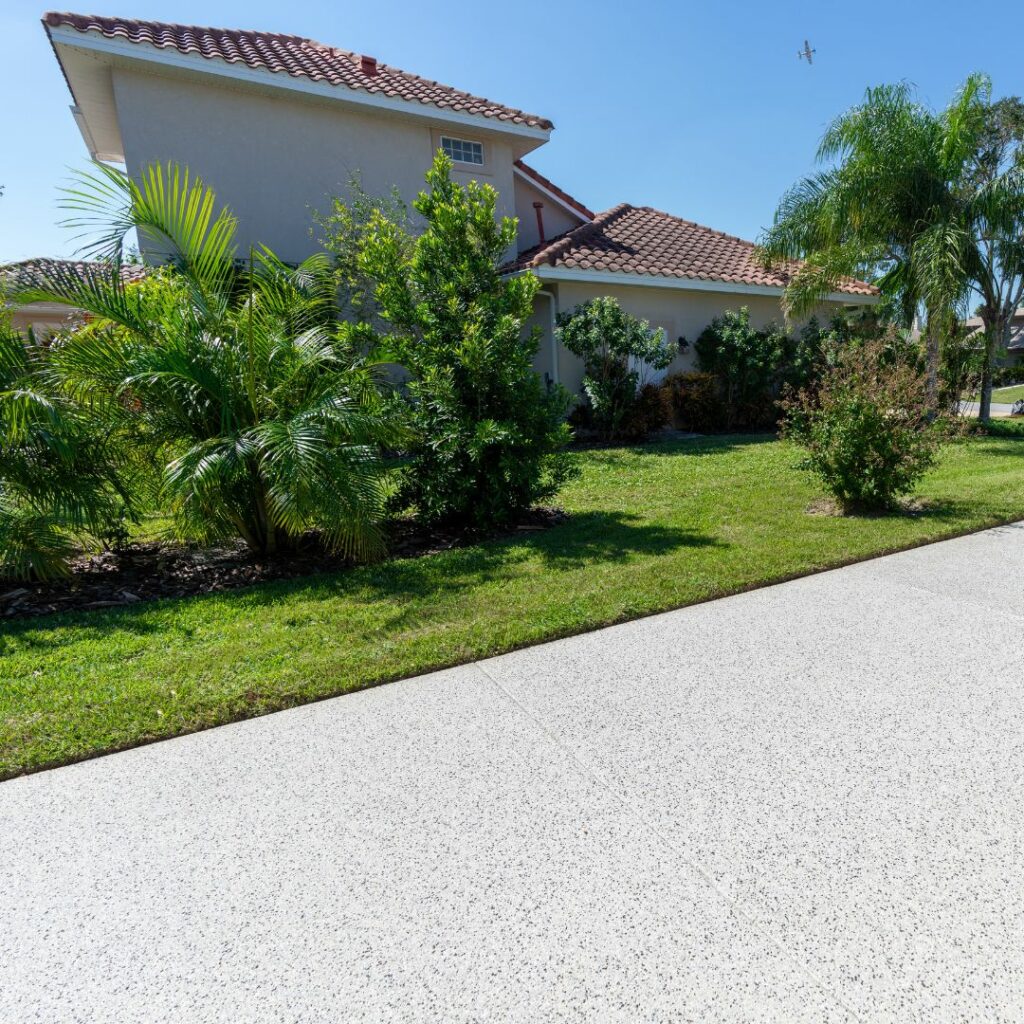
Coating for Concrete: How to Choose the Best Option for Long-Lasting Floors
When concrete surfaces start to wear, stain, or crack, choosing the right coating can make all the difference in durability, appearance, and long-term value. From garages and warehouses to patios and commercial spaces, the right coating protects your investment while improving safety and aesthetics.
At ICS Concrete Coatings, we work with homeowners and businesses across Oklahoma to help them choose solutions that stand up to real-world conditions, extreme temperatures, and heavy use. Understanding your options is the first step toward selecting a Coating for concrete that truly performs.
Understanding the Purpose of a Concrete Coating
A concrete coating does more than change how a surface looks. It acts as a protective barrier against moisture, chemicals, abrasion, UV exposure, and temperature swings. In climates like Oklahoma, where heat, sun exposure, and seasonal changes are constant, concrete is under stress year-round.
Without protection, it can crack, discolor, and deteriorate faster than expected. Choosing the right Coating for concrete depends on how the space is used, how quickly it needs to return to service, and how much long-term maintenance you want to avoid.
Common Types of Concrete Coatings Explained
There are several coating systems on the market, each with strengths and limitations. Knowing how they compare helps you avoid costly mistakes and choose a coating that matches your needs.
Latex Paint
Often used as a quick cosmetic fix, latex paint provides minimal protection and wears quickly under traffic.
Epoxy Coatings
Epoxy is a popular mid-range option, offering decent durability and chemical resistance. However, it requires long curing times and can yellow when exposed to sunlight.
Concrete Stains
Stains enhance appearance but offer little surface protection, making them better for decorative applications than functional ones.
Polished Concrete
Polished concrete delivers a sleek look but requires ongoing maintenance and is not ideal for high-impact environments.
Polyurea and Polyaspartic Systems
These advanced systems deliver superior strength, flexibility, and moisture resistance, which is why professional installers rely on them for demanding applications.
Comparing Epoxy, Polyurea, and Polyaspartic Coatings
When comparing high-performance coatings, epoxy, polyurea, and polyaspartic systems are most often considered.
Epoxy offers good hardness and chemical resistance but struggles with UV stability and long cure times that can stretch projects into multiple days. Polyurea coatings cure much faster and provide excellent flexibility, allowing them to handle concrete movement without cracking.
Polyaspartic coatings build on those benefits by adding superior UV stability and even faster return-to-service times. Flexibility and moisture tolerance are critical factors in coating longevity, especially in environments exposed to temperature changes and humidity.
Cost Considerations and Long-Term Value
Upfront pricing varies depending on the system used, surface preparation required, and square footage. Epoxy coatings can appear budget-friendly initially, but frequent repairs and reapplications often increase long-term costs.
Polyurea and polyaspartic coatings typically cost more upfront, yet their durability, resistance to wear, and low maintenance needs deliver better value over time. When evaluating the true cost of a Coating for concrete, lifespan and performance matter far more than the initial price tag.
Best Applications for Each Coating Type
Different environments demand different solutions.
Epoxy coatings are commonly used in basements and controlled indoor spaces with limited sunlight exposure. Polyurea coatings excel in high-impact commercial and industrial environments where fast curing and flexibility are essential.
Polyaspartic coatings are ideal for nearly every application, including garages, warehouses, retail spaces, patios, and pool decks, thanks to their UV stability and rapid cure times.
Why Polyurea and Polyaspartic Coatings Perform Better in Real-World Conditions
Traditional coatings often fail because they cannot adapt to concrete movement or environmental stress. Polyurea-based systems are elastomeric, meaning they flex with the slab rather than cracking under pressure.
Polyaspartic coatings add the benefit of UV resistance, preventing the yellowing and fading common in epoxy floors. For Oklahoma properties exposed to heat, sunlight, and sudden temperature changes, these performance characteristics are essential.
This is why ICS Concrete Coatings specializes in advanced systems designed to handle real conditions, not just showroom floors.
Fast Installation and Minimal Downtime
One of the biggest advantages of modern coating systems is speed. While epoxy can take days to fully cure, polyurea and polyaspartic coatings are often ready for foot traffic within hours.
This allows homeowners to use their garages the same day and businesses to resume operations with minimal disruption. Fast cure times also reduce the risk of contamination during installation, leading to a cleaner, longer-lasting finish.
Choosing the Right Coating Partner
Even the best materials can fail if installed incorrectly. Proper surface preparation, moisture testing, and application techniques are critical to performance.
At ICS Concrete Coatings, every project is approached with precision, experience, and an understanding of local conditions. Selecting a professional installer ensures your Coating for concrete performs as intended and delivers the durability you expect.
Making the Smart Investment in Your Concrete Floors
When all factors are considered, polyurea and polyaspartic coatings consistently outperform traditional options in strength, flexibility, appearance, and longevity. They provide the protection modern concrete surfaces need while maintaining a clean, professional look for years to come.
If you’re ready to protect and enhance your concrete with a solution built for long-term performance, contact ICS Concrete Coatings today and take the first step toward floors that work as hard as you do.
Author: Steven S.